
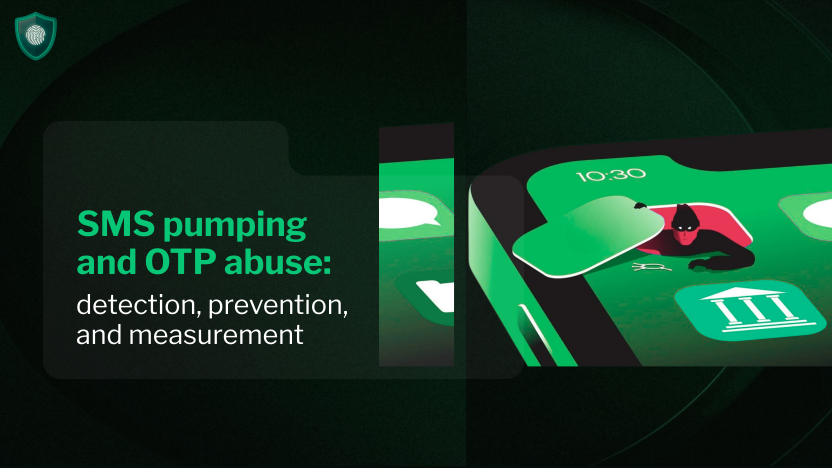
SMS pumping and OTP abuse: detection, prevention, and measurement

Deepak Raj
VP Tech
Summarize this article with
Fraud via SMS is a rising danger that reaches businesses in the most vulnerable areas the bottom line. As more businesses rely On One-Time passwords (OTPs) to protect themselves and protection, criminals have discovered an opportunity to transform these authentication channels into a huge revenue stream for themselves.
In this article we will explain the way SMS pumps work, the reasons why traditional detection is ineffective, and how you can safeguard your business from fraud with modern prevention methods.
What is SMS Pumping Fraud?
SMS pumping also referred to as Artificially Inflated traffic (AIT) is when scammers exploit an SMS-based flow, such as a sign-up site as well as a "forgot password" form--to send an enormous amount in text messages premium rate numbers.
The attackers typically work with rogue sub-division telecommunications providers. Each every time that an OTP is delivered to a number which they manage, they are paid part of the delivery cost paid by the company. It's a large-scale automated attack that can take away your security or marketing budget in just a few hours.
How OTP Abuse Works
OTP misuse is a simple but extremely effective process that uses automation to bypass the basic security.
1. The Search for the Target The attackers are looking for any form that sends an automated SMS, like the registration of users or login verification.
2. Create the Botnet using scripts or botnets, criminals complete these forms hundreds of times with various mobile numbers they control.
3. The triggers for the messages The system interprets these as legitimate requests and will send the OTPs through the SMS gateway.
4. Recovering the Payment: The messages go through a network of carriers. The untrusted carrier at the conclusion of the chain pays the fee and shares profits with the scammer.
Real-World Example
A fintech company launches in a new area. Within a matter of hours, a bot generates up to 500000 OTP requests to expensive international numbers. The company loses ₹5,000 in SMS charges before they realize that the "users" don't exist.
Why SMS Pumping is Hard to Detect
Many fraud teams are struggling to stop SMS pumping since the traffic was designed so that it blends with normal user behaviour.
- Mimic's real traffic: The requests originate from what appears to be real web browsers and mobile phones.
- Utilizes real phone numbers Attackers employ valid numbering plans that are legal, making simple "blocklists" useless.
- Distributed Attacks: By spreading requests over a variety of IP addresses and devices, they can avoid the basic alarms based on volume.
The Impact on Businesses
The harm from SMS fraud is more than an expensive phone bill.
- The skyrocketing cost of SMS One single incident can cost a month's worth of expenses within a single weekend.
- Revenue Loss: The money used to pay for fraudulent SMS is not capital and cannot be used to fund genuine customer acquisition.
- Poor user experience: In the event that your SMS gateway is shut down or blacklisted because of the volume of fraud Your real customers won't get their login codes, which can lead to an increase in churn.
Key Signals to Detect SMS Pumping
To stop OTP abuse, you need to look beyond the phone number and analyze the context of the request.
Device Signals
Fraudsters typically use "headless" browsers together with emulators and outdated mobile versions to execute their scripts. The detection of a user agent mismatch together with a device that does not possess actual hardware components constitutes a primary security violation.
Behavioral Patterns
Human users take time to type while bots fill out forms in milliseconds. The speed of form completion together with the "flow" from landing page to SMS request needs monitoring because it helps detect automation.
Number and Request Patterns
Look for "clusters" of requests. If you see hundreds of requests to the same mobile network prefix (MCC/MNC) within a short window, it is likely a coordinated pumping attack.
Network-Level Indicators
Analyze if the request is coming from a known data center, a VPN, or a proxy. Genuine users typically connect via residential ISPs or mobile carrier networks.
Limitations of Traditional Detection
Many teams try to stop SMS fraud with "Band-Aid" solutions that often fail or hurt the user experience.
- Rate Limits: To evade your restrictions, attackers will simply slow down their bot accounts or use additional IPs to keep under your thresholds.
- CAPTCHA: Today’s advanced bot technology allows attackers to bypass CAPTCHA verification quickly & cheaply with human “click farms”.
- Rule-based Solutions: Static rules (such as blocking countries) create inflexibility that will ultimately prevent genuine market expansion.
A Modern Approach to Prevent SMS Fraud
The most effective method for preventing SMS pumping is to ensure that the device being used is legitimate before sending an SMS. Through the use of real-time risk scoring, you can identify whether or not a request is coming from a legitimate human being on an actual device, and if the risk score is high, you can either block the SMS or redirect the end-user to an email-based OTP, or require further verification.
How DeepID Helps
DeepID provides a specialized layer of defense against SMS fraud by focusing on device intelligence and automated request detection. Following the principles of our SMS Fraud Use Case, we help fintechs and platforms secure their OTP flows without adding friction.
- Recognizing Suspicious Devices- We can identify emulators, rooted devices, and commonly used automated scripts (in SMS pumping).
- Detection of Automation OTP Requests - Using DeepID, we can analyze behavioral telemetry, and isolate bot-like behaviors from legitimate user sign-up requests.
- Reduce SMS Pumping Losses - By preventing fraudulent requests before they reach your SMS Gateway, you will avoid the cost of sending a fraudulent message which saves you tens of thousands of dollars.
Our goal is to help you achieve significant cost savings while maintaining a seamless onboarding experience for your real customers.
Best Practices for Fraud Teams
1. Set up alerts for sudden spikes in SMS traffic to specific countries or network providers.
2. Never trigger an SMS until the user has passed a basic device integrity check.
3. For high-risk regions, offer WhatsApp or Email OTPs as a fallback to avoid expensive telecom routes.
4. Introduce a slight delay between repeated OTP requests to the same number or IP.
Conclusion
SMS pumping and OTP abuse are sophisticated problems that require more than just basic rate limits. To protect your revenue and your reputation, you need a proactive strategy that identifies fraud at the device level. By stopping the attack before the "Send" button is ever triggered, you can eliminate telecom fraud and focus on growing your business safely.
All article tags
Related Articles

September 28, 2026
What is Behavior Analysis and how does it prevent fraud?

September 10, 2026
How to Prevent Password Sharing: A Complete Guide for SaaS & Streaming Platforms
August 31, 2026
How to Prevent Coupon Fraud? Effective Strategies
August 27, 2026
DoT SIM Binding Mandate Explained: Compliance Guide for Communication Apps (2026)
Identify your web and
mobile traffic in minutes
Collect visitor IDs and signals instantly for free,
or reach out to our team for a demo.
250+
countries and territories where we identified devices_
4 Billion +
unique browsers and mobile devices identified_
50 Million +
real-time device intelligence API events per day processed_